Workshop guide / 4 min read
What would you like to take home from a workshop?
A better cup at home, barista practice or a shared team experience. Start by knowing your purpose.
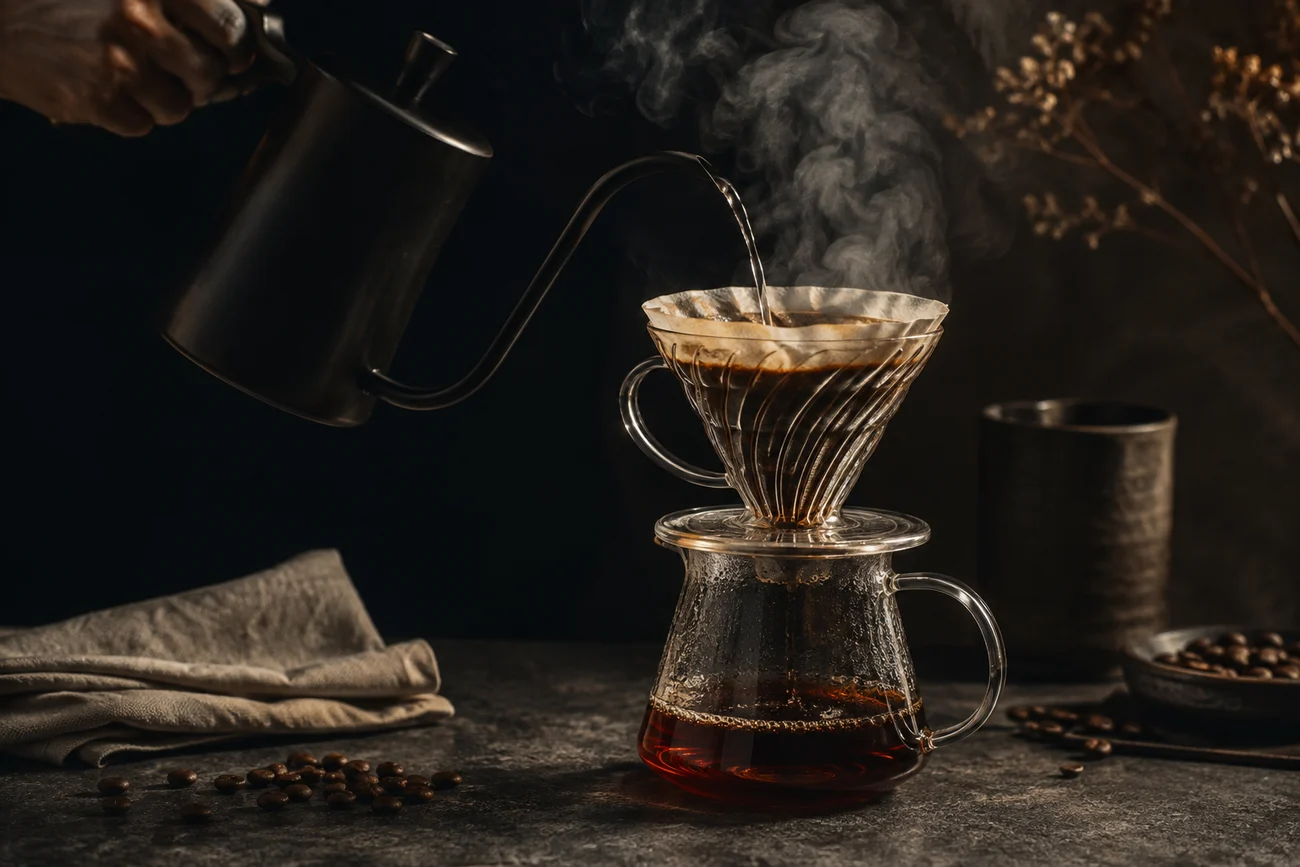
Before searching for a coffee workshop, complete one sentence: ‘After this experience, I would like to be able to …’ Brewing more consistently at home, practising at an espresso machine and trying something new with colleagues are different goals. They all involve coffee, but they do not call for exactly the same programme or format.
If your goal is home brewing, write down the equipment you use and the problem you want to understand. Do you struggle to repeat a recipe, or do you want to know how an adjustment affects taste? Bring a short note about your brewer and current recipe. That helps you focus on an experiment you can repeat afterwards, without starting from the assumption that you need to buy the equipment used in class.
For barista practice, ask how the practical work happens as well as which topics are covered. What will participants actually do while preparing espresso, texturing milk or organising the workspace? At which stages will the instructor give feedback? Watching a demonstration and repeating a technique while discussing different results are different learning experiences. The programme's purpose and level should fit the experience you already have.
For a team event, describe the group's shared expectations first. Is it a brief introduction, a gathering built around making something together, or a deeper session for a small group of enthusiasts? Participant numbers, language, possible dates and access needs make planning more concrete. Tell the organiser about ingredient allergies or dietary requirements in advance as well; confirm the available options rather than assuming them.
Before registering, check the duration, location, total price, included materials and cancellation terms in writing. If a document is offered, ask what it is, who issues it and what conditions apply. A record of attendance and a professional qualification involving a separate assessment are different things. Look for a clear description of the service you are buying rather than relying on broad promotional wording.
Keep your enquiry short and specific: ‘I brew filter coffee at home and would like to understand grind adjustments better. There will be two of us, and we would like to hear about weekend options.’ This is an example enquiry, not an announcement of any programme's availability. A useful opening message helps the organiser suggest an appropriate scope and helps you make a decision with the right questions in mind.