Espresso / 4 min read
A better espresso starts with a better question.
Read dose, beverage yield and time together—and turn each attempt into a useful note.
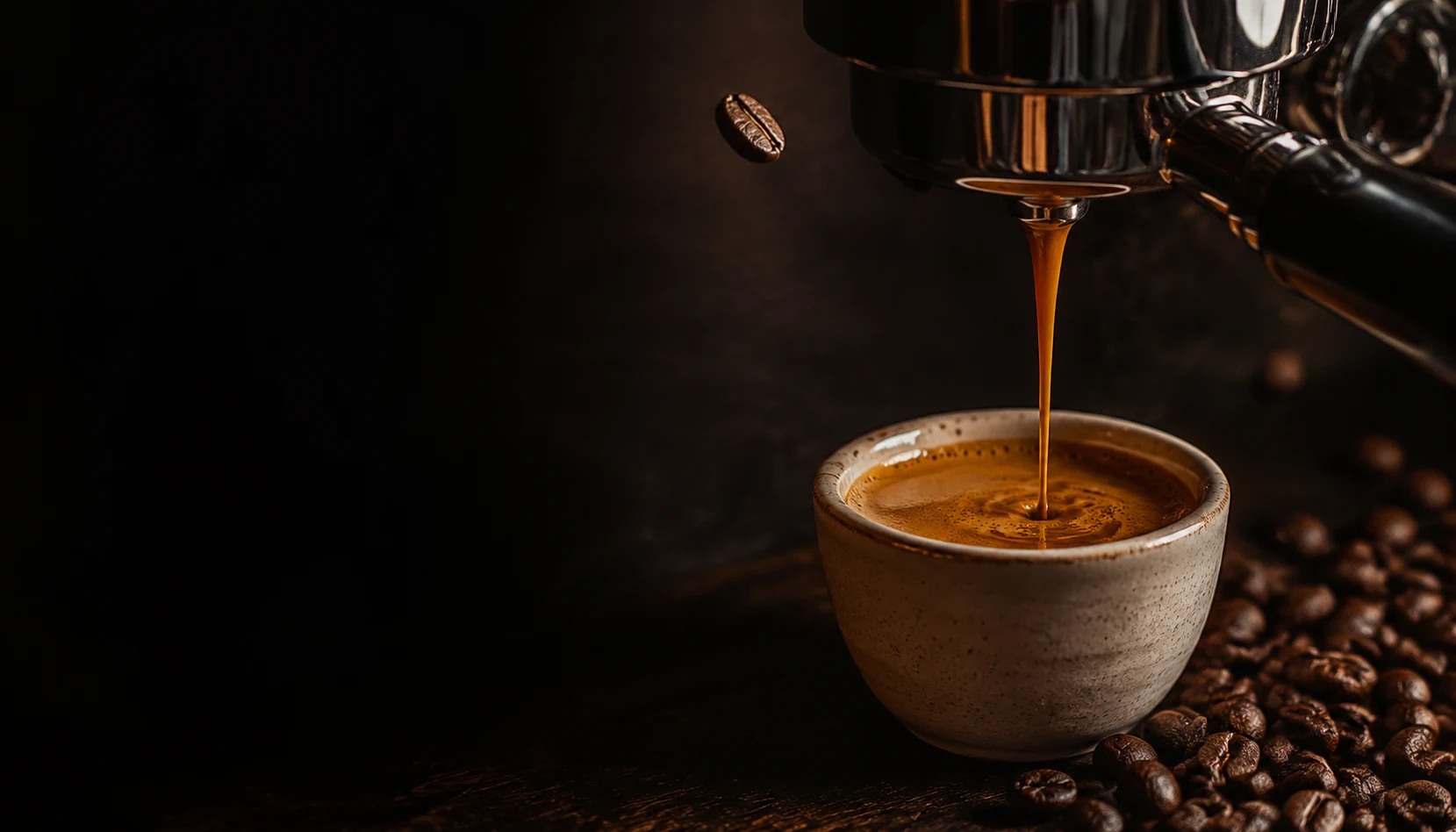
When an espresso disappoints, our first question is often ‘How many seconds did it take?’ A more useful place to start is what we would like to change in the cup: clearer sweetness, a lighter intensity or a more comfortable finish. That target gives us a way to judge whether an adjustment helped. Reaching a particular number is not the same as reaching a cup we enjoy.
Record three separate measurements in your recipe: the grams of dry coffee in the basket, the grams of beverage in the cup and the shot time. Choose your dose with the basket manufacturer's guidance in mind. Weighing the beverage helps separate its amount from the volume occupied by crema. Tare the cup and start the timer at the same point each time so that your comparisons use a consistent language.
For example, you might record a trial using 18 grams of coffee to make 36 grams of espresso. The 1:2 ratio describes that particular trial; it does not promise a correct result for every coffee. Add the shot time, the coffee you used and two short tasting notes. An observation such as ‘sharp opening, short finish’ gives the next attempt more direction than simply writing ‘bad’.
Now test one question. To explore beverage intensity, try a different yield while keeping the dose the same, then compare the cups. To investigate the flow, hold dose and target yield constant and move the grind setting by a small amount. Record time as a clue that helps explain the result. Writing down your expectation before making the second cup makes it harder to invent a convenient explanation afterwards.
The coffee's acidity, roast and your own preferences also belong in the assessment. Instead of treating one sour or bitter note as a certain technical diagnosis, first check that you can repeat your preparation. If dosing, distribution and cleaning routines change between attempts, it becomes difficult to isolate the effect of a grind adjustment. Repeatable preparation followed by small comparisons is a useful learning sequence at home and behind a bar.
Pause before making the final cup and look at your notes. Which change moved you towards your target? Which one simply produced a different result? Try making your favourite attempt again. Turning one enjoyable espresso into a repeatable recipe is less about controlling every variable at once and more about extracting one clear piece of information from each attempt.